






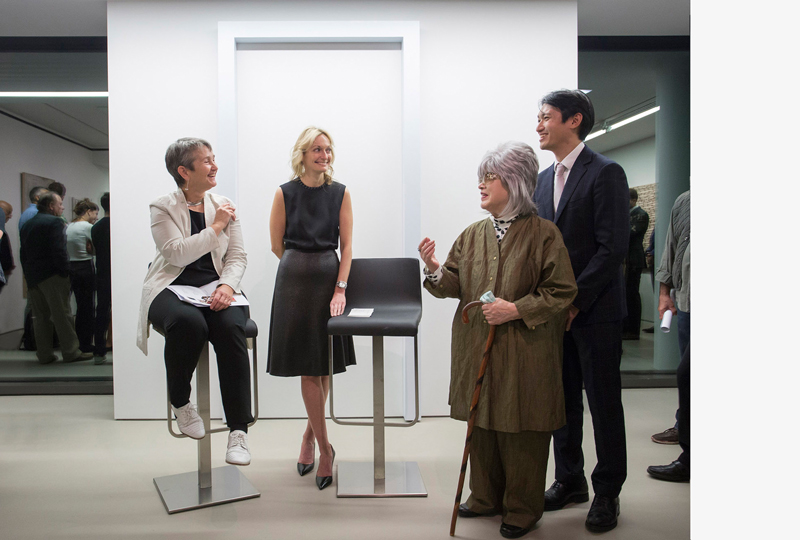
 Frances Morris discusses her approach, alongside Skarlet Smatana, director of the Economou Collection and Gutai artist Yuko Nasaka at 8pm on 13th October
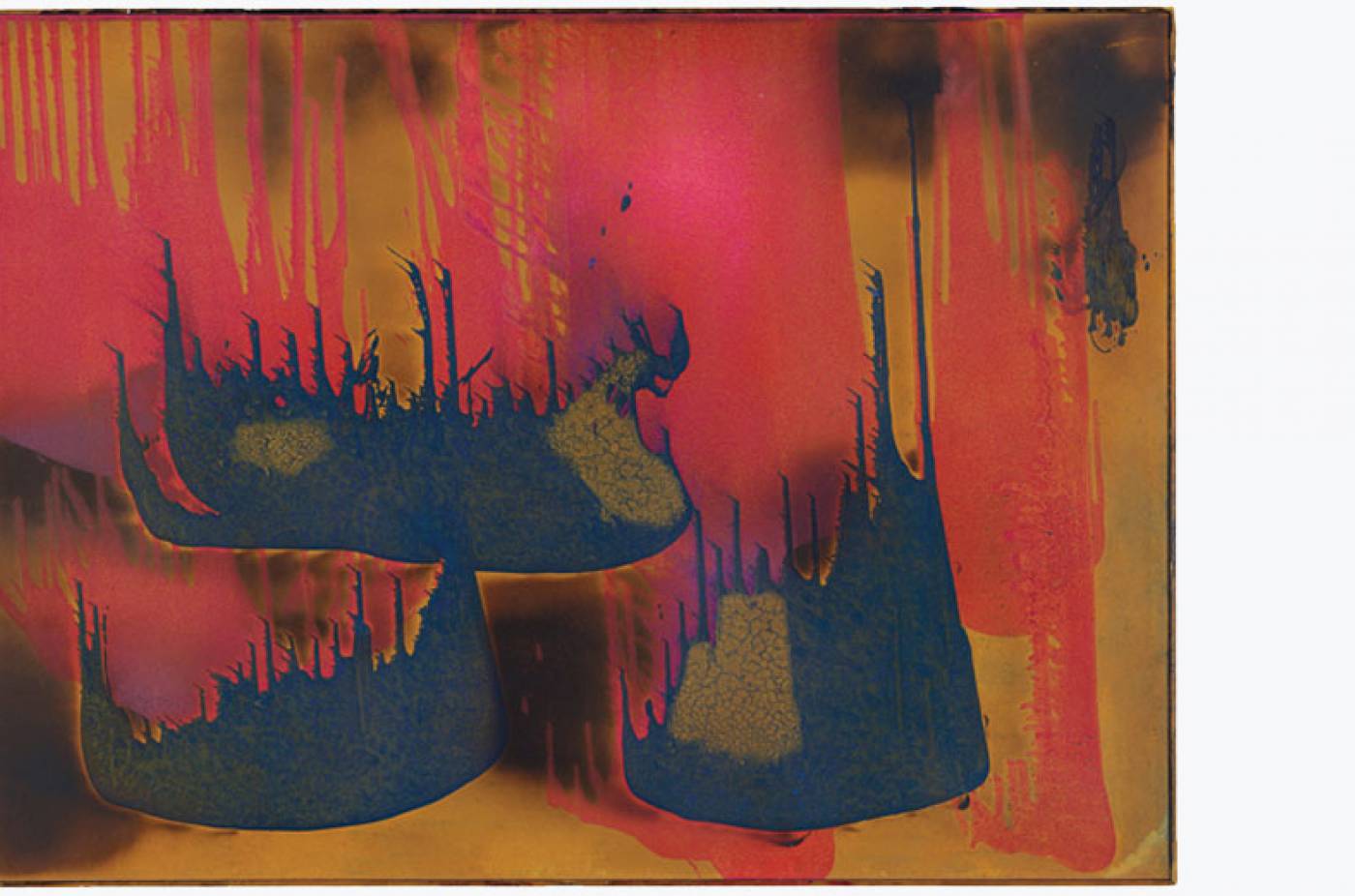
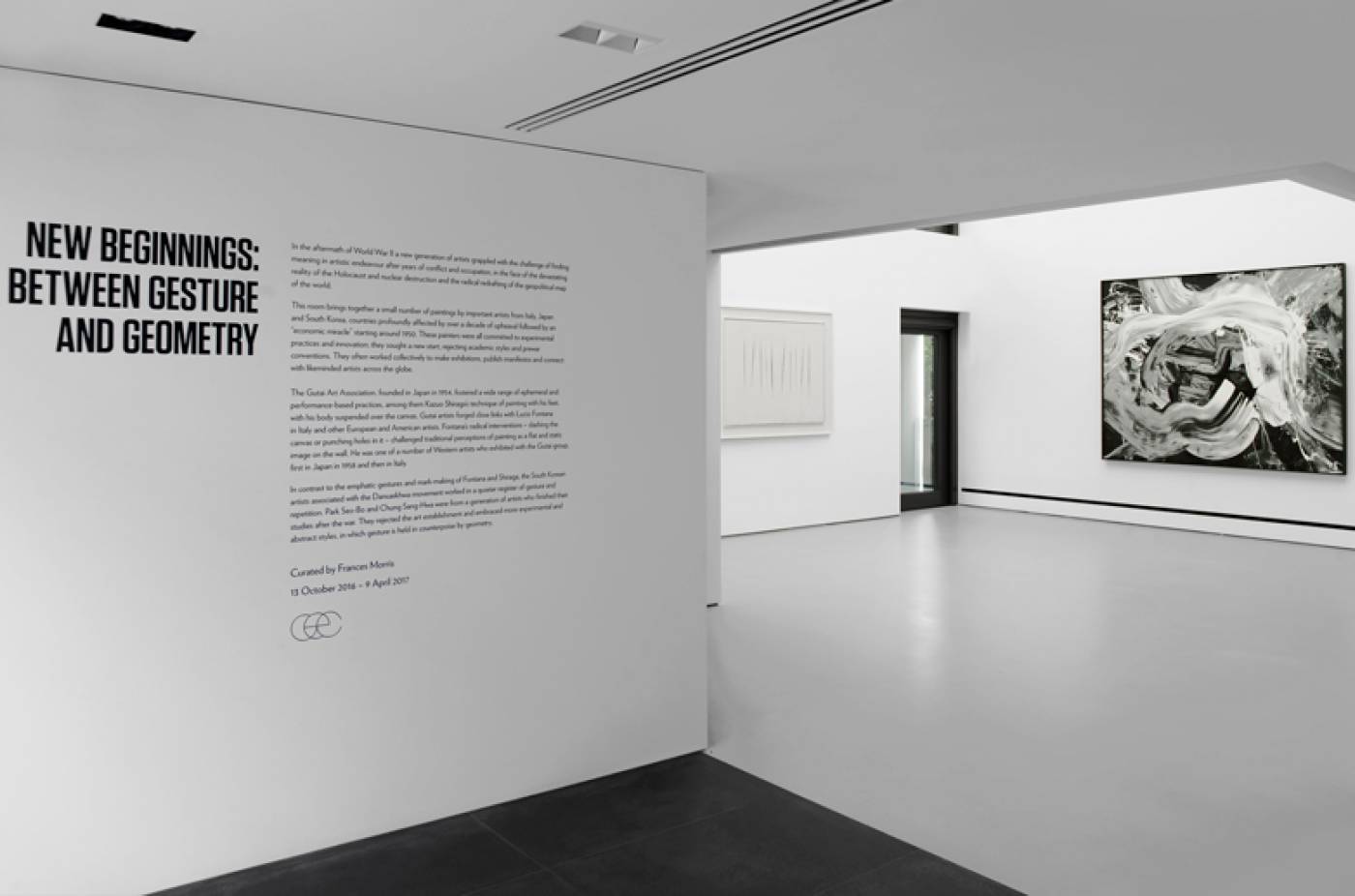
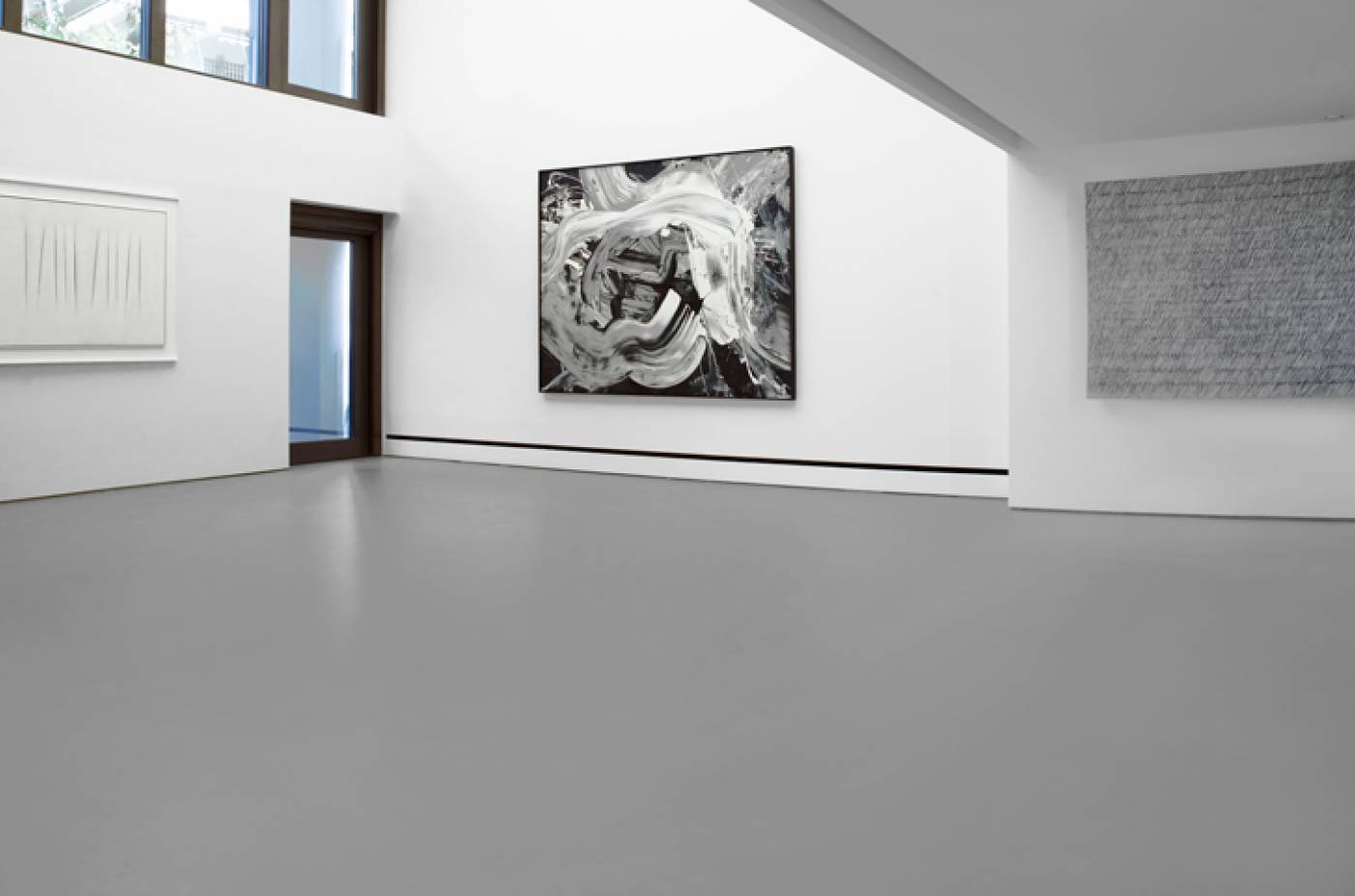
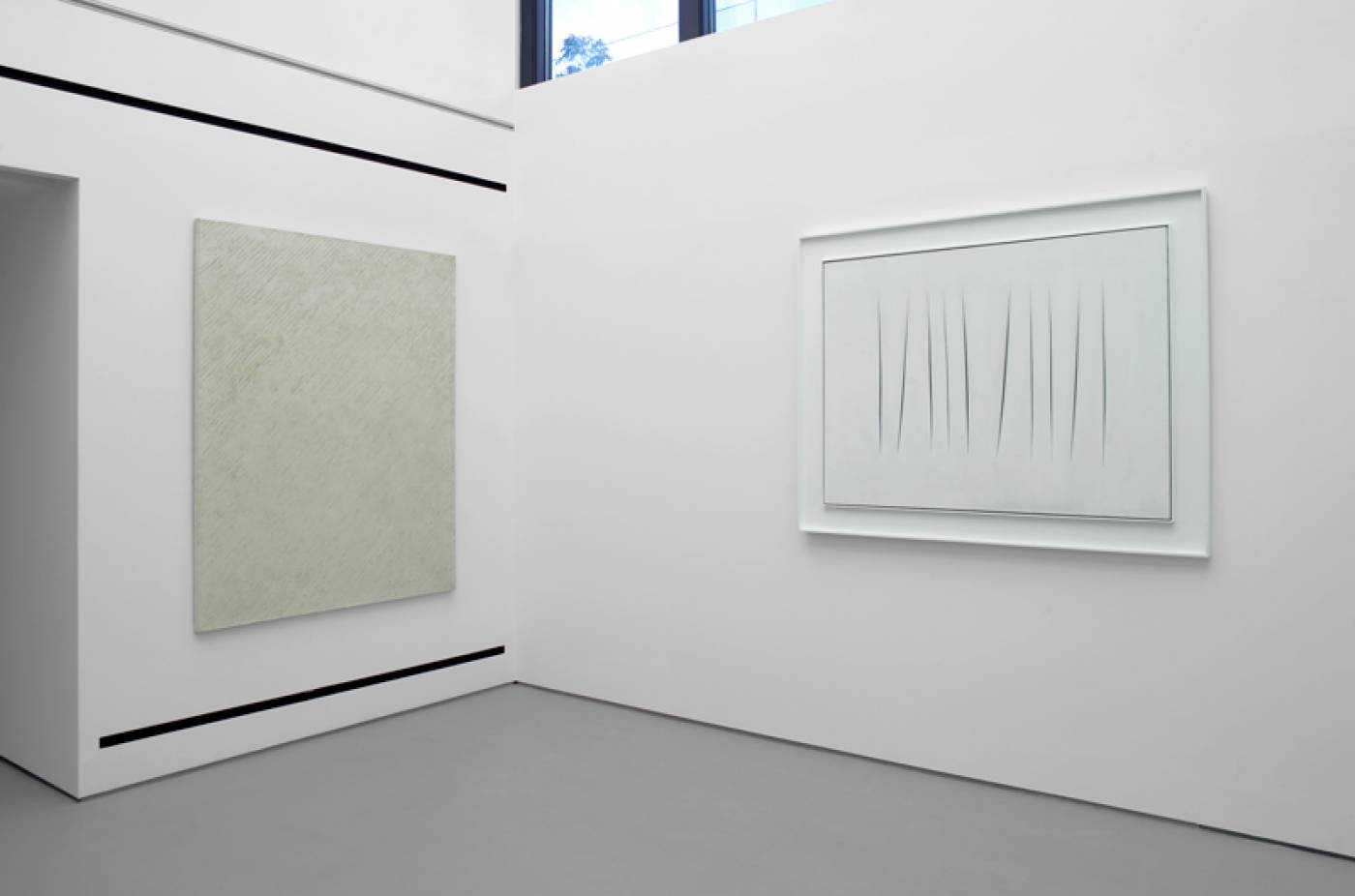
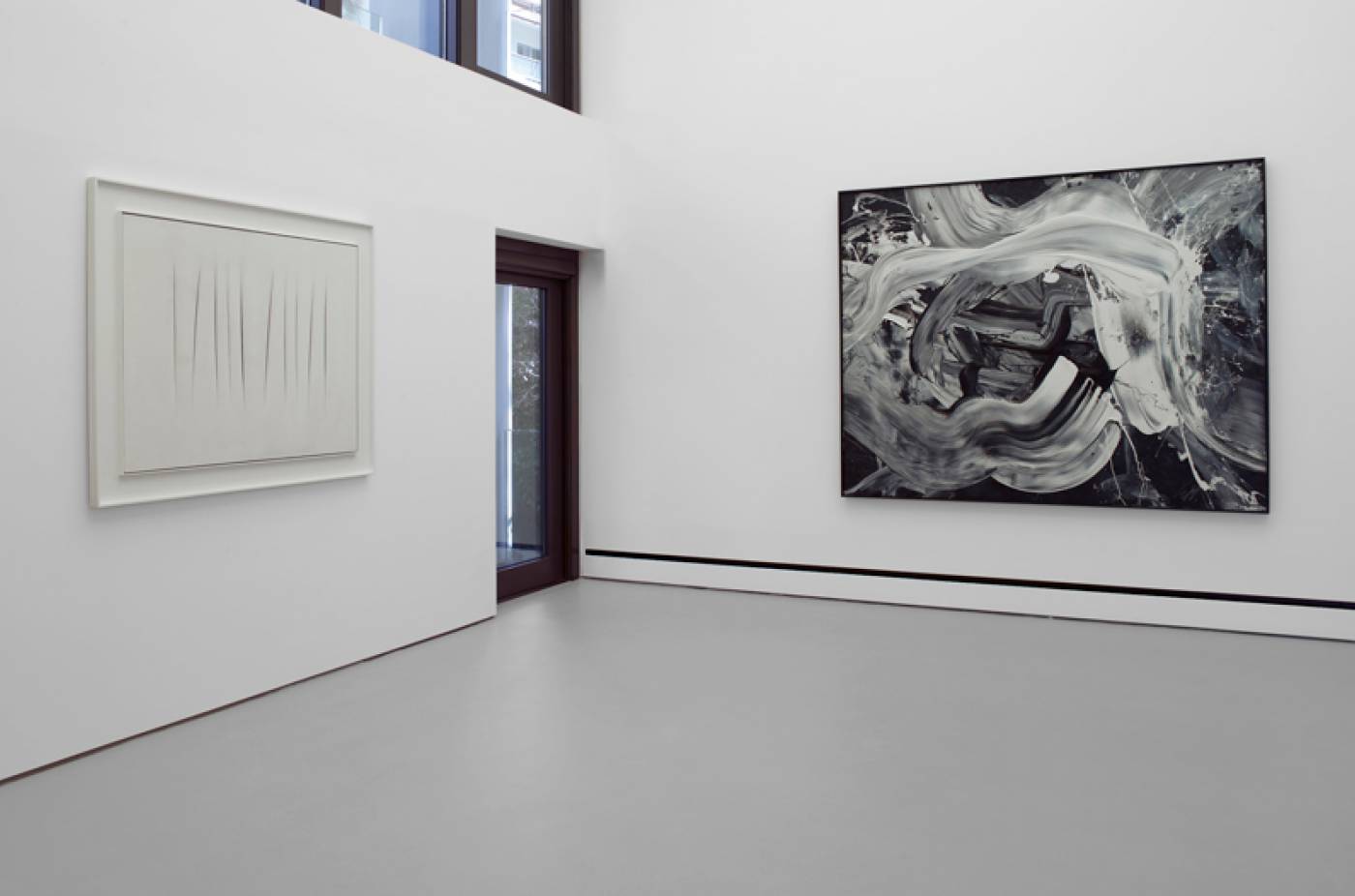
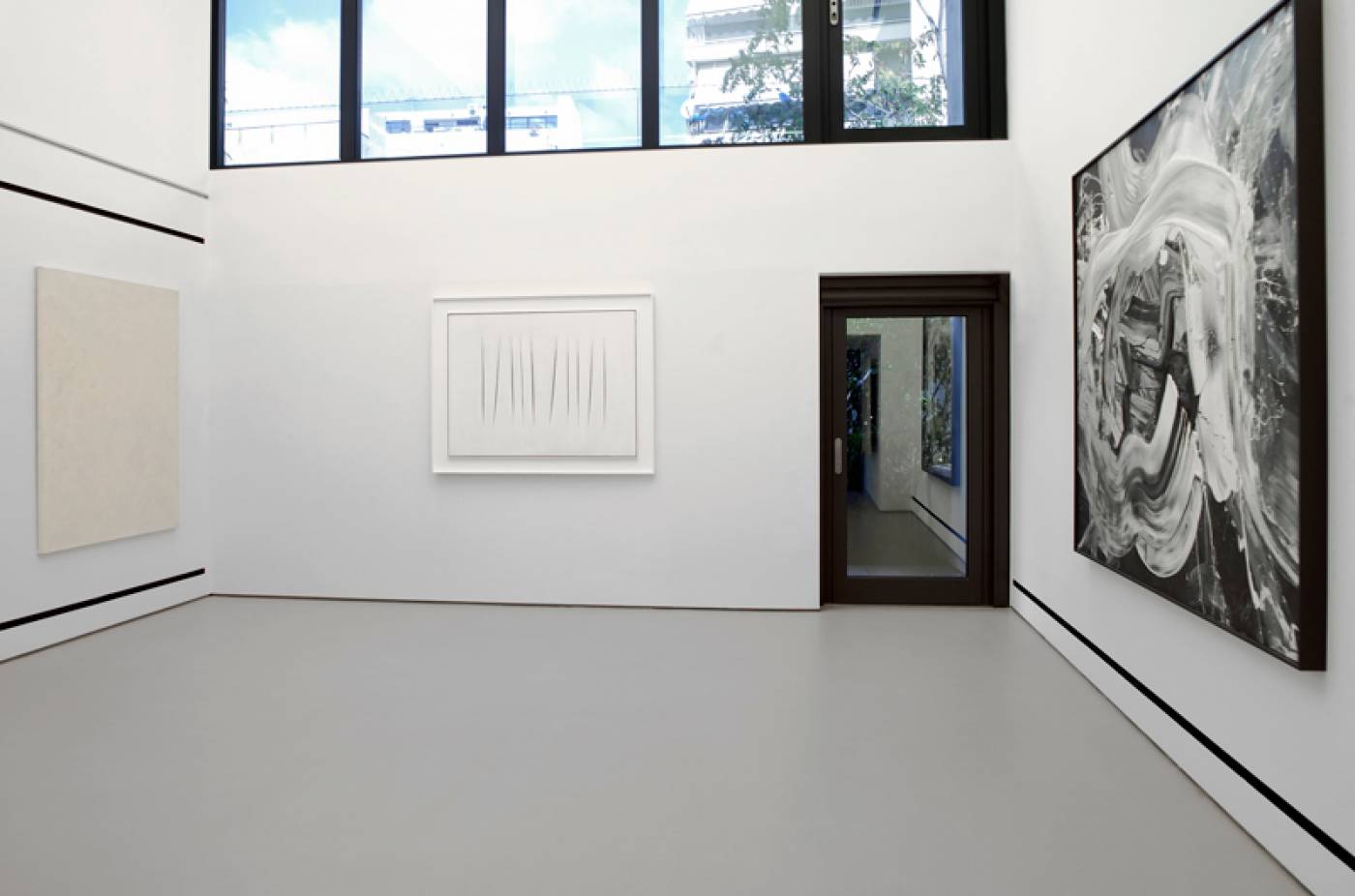
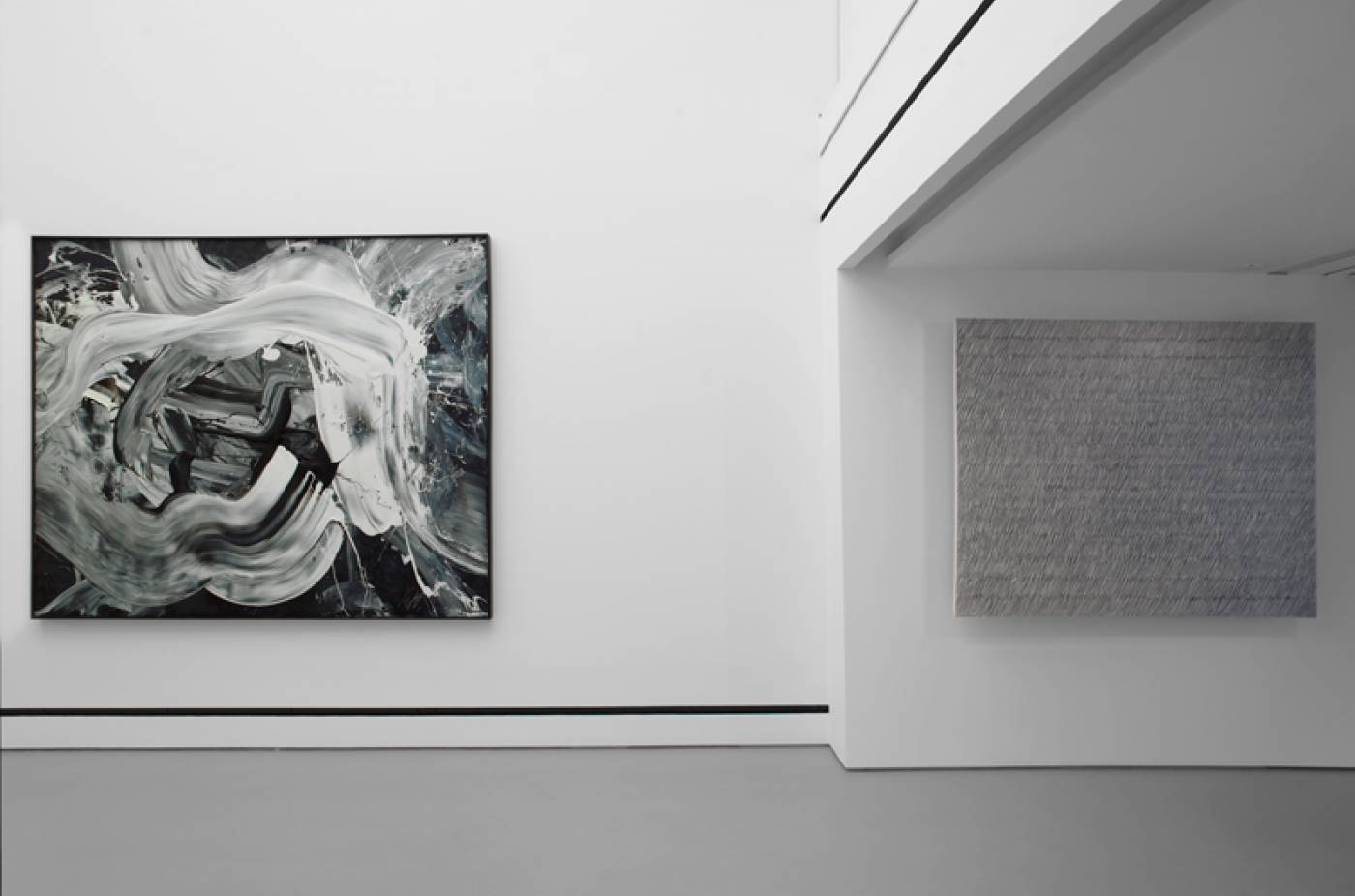
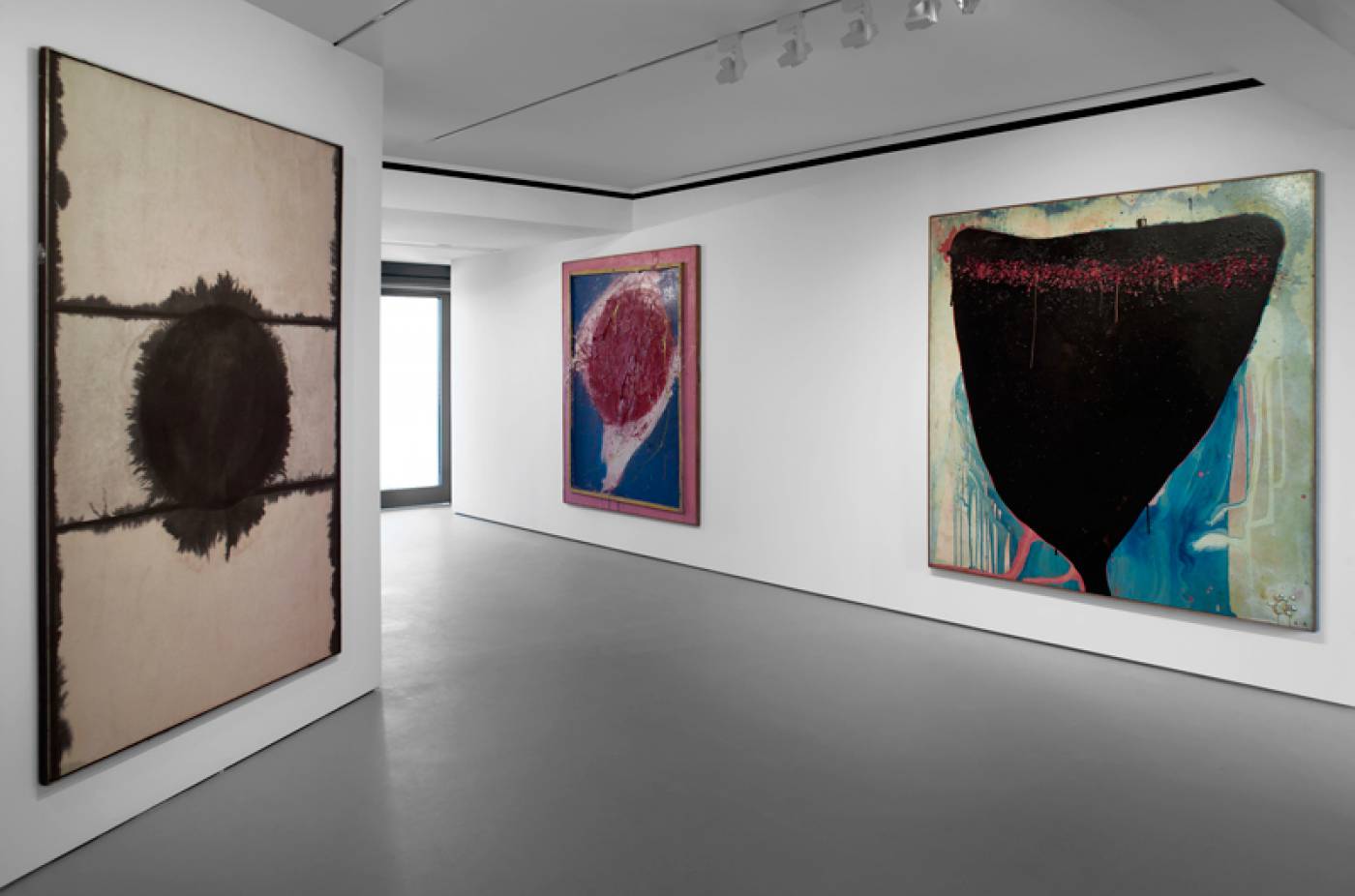
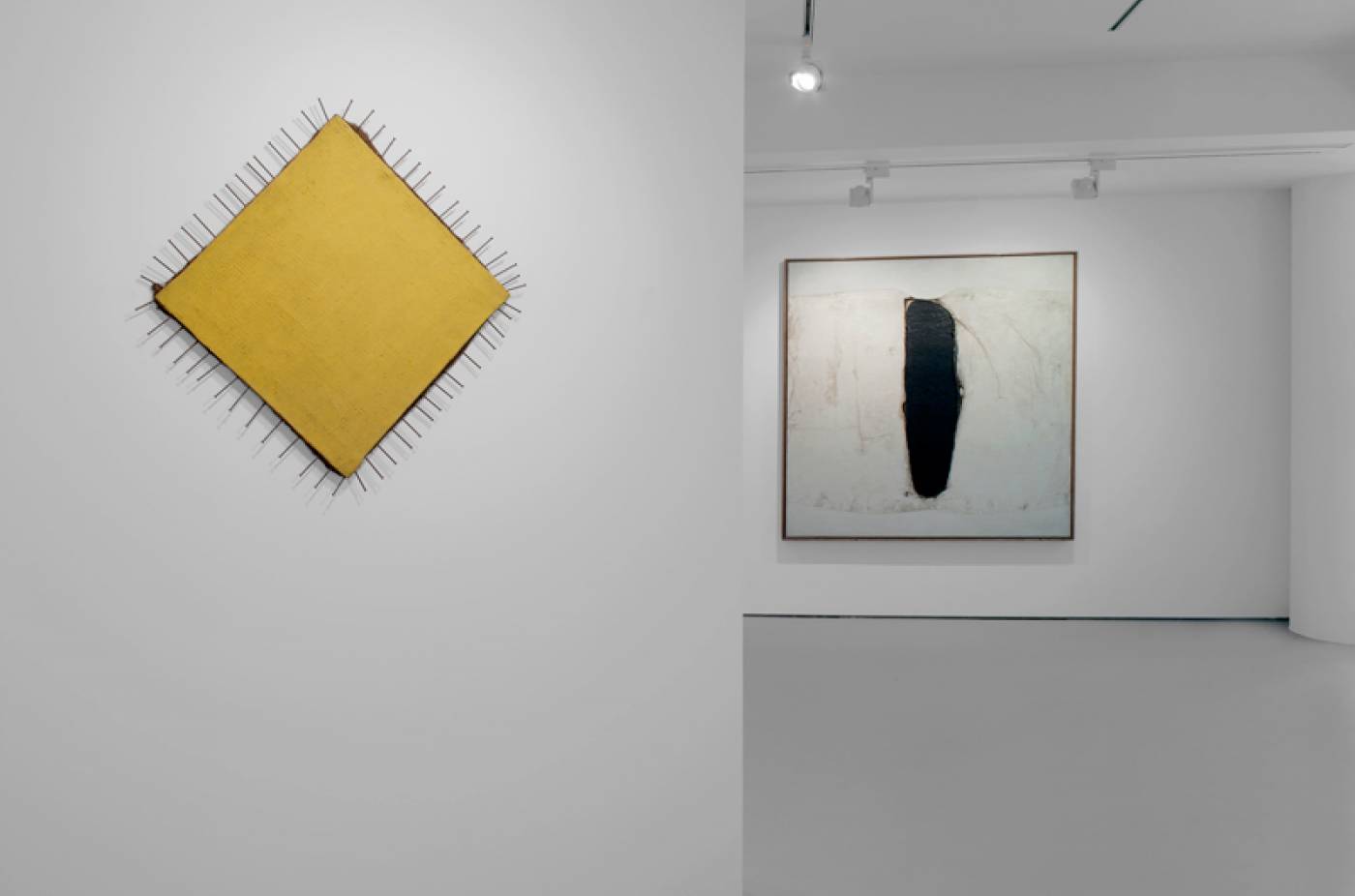
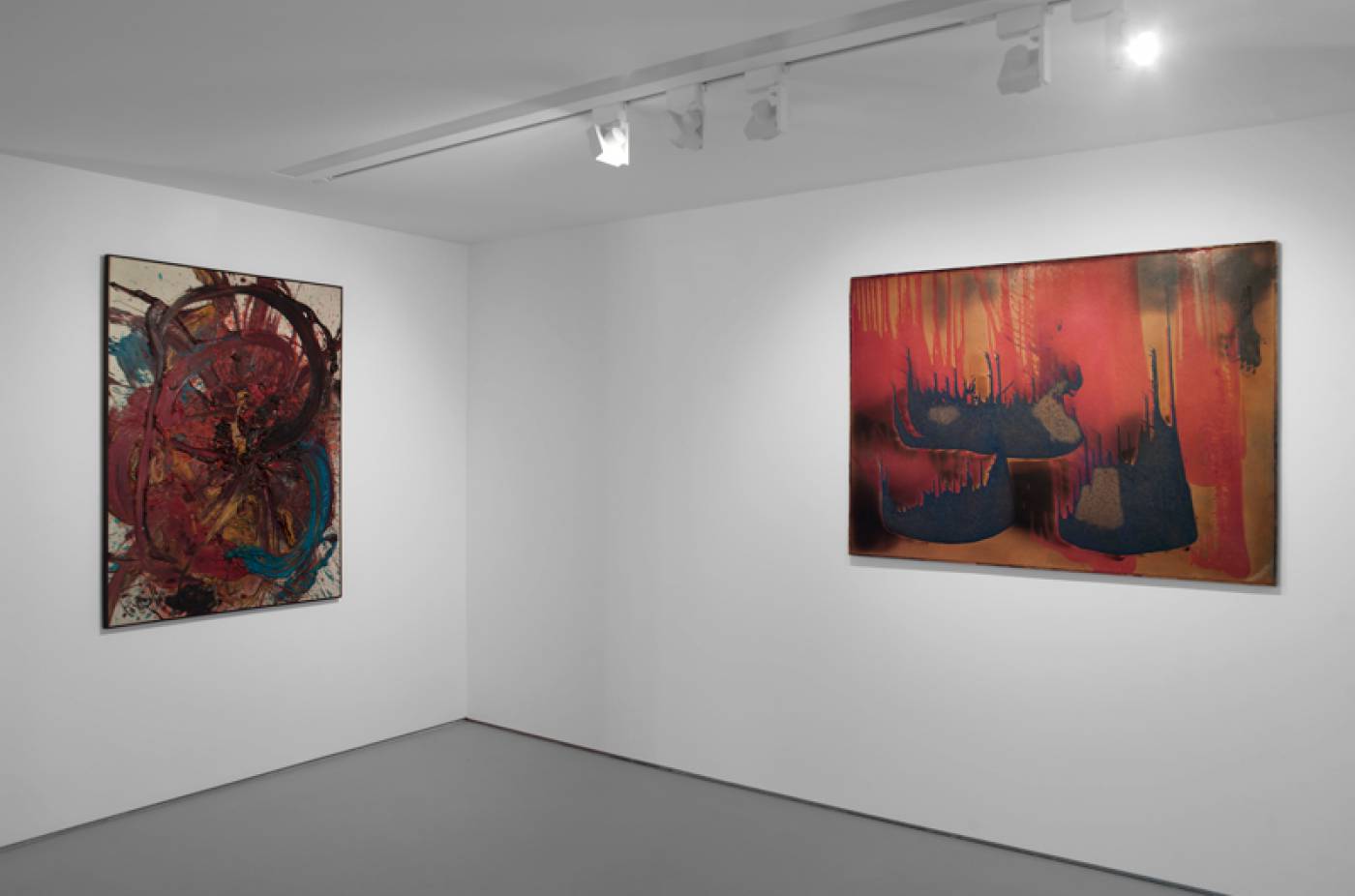
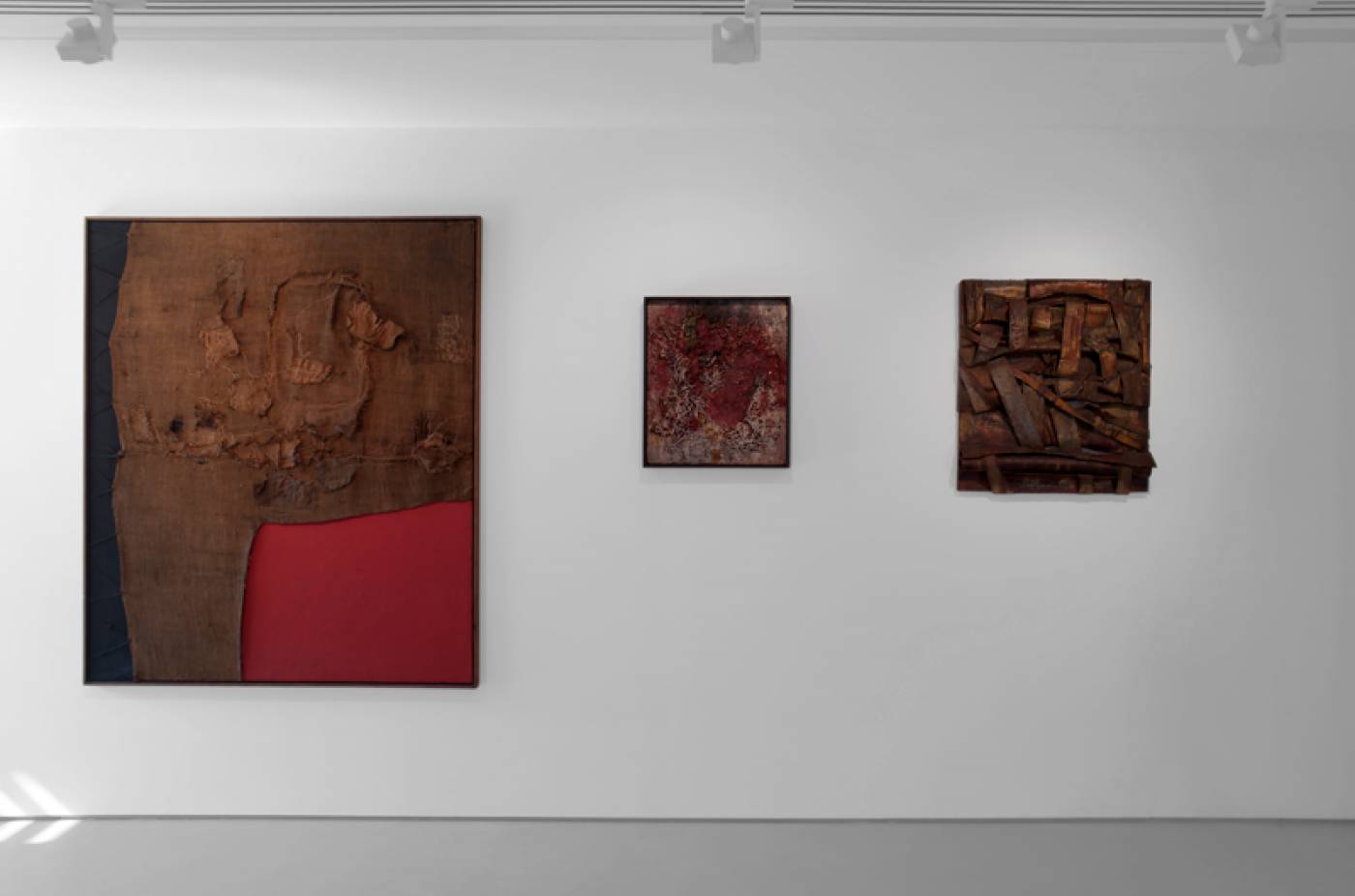
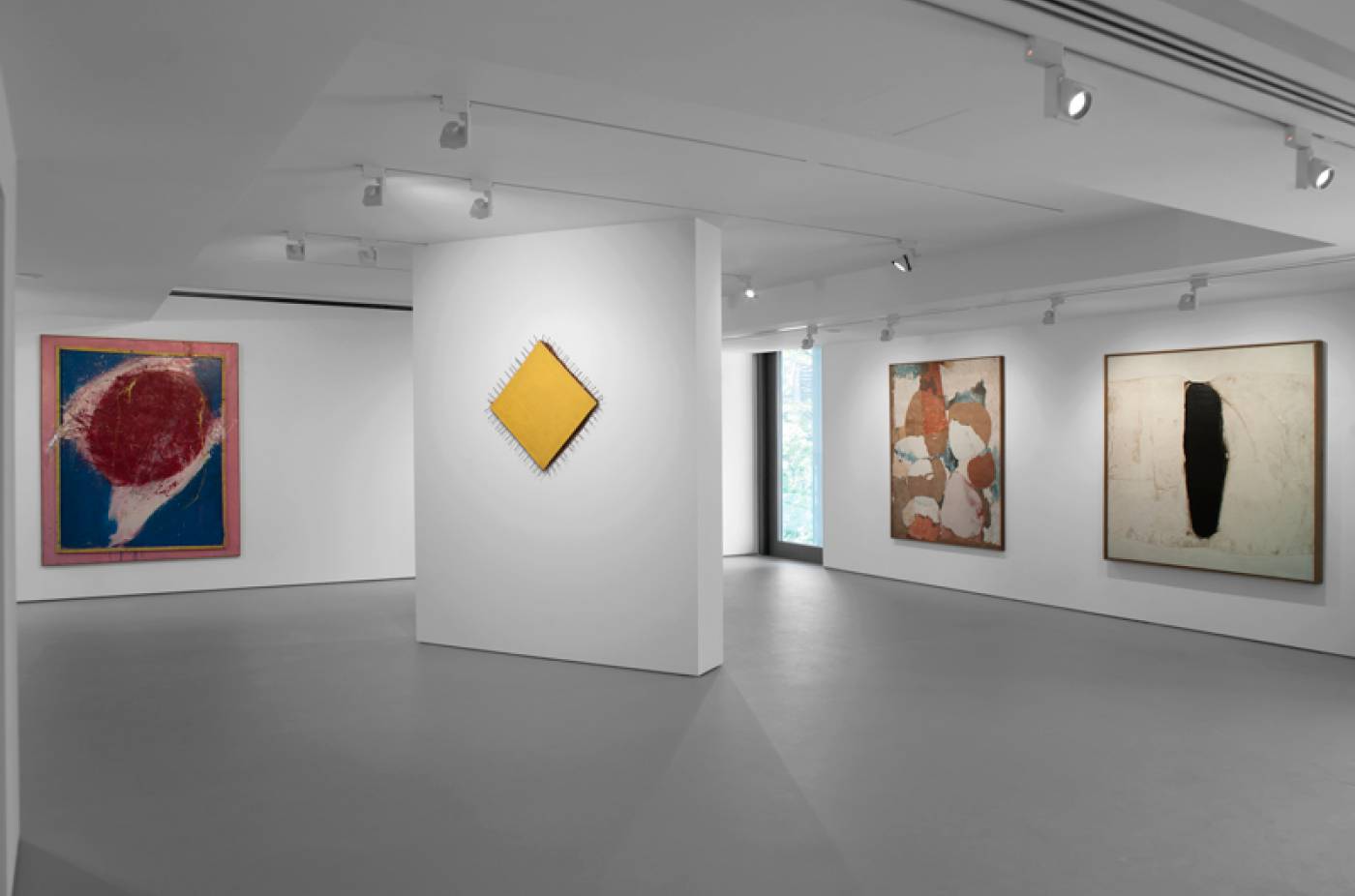
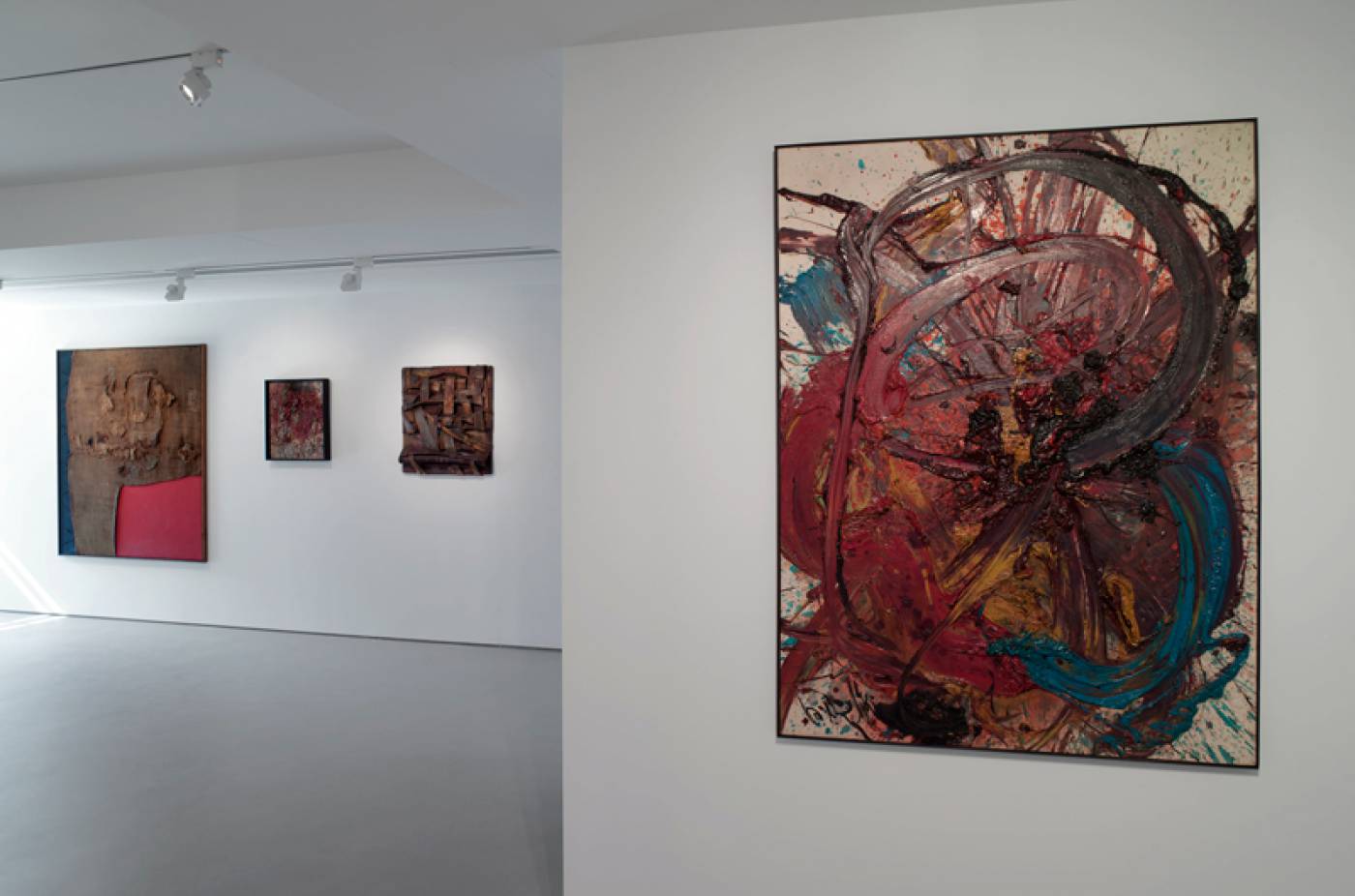
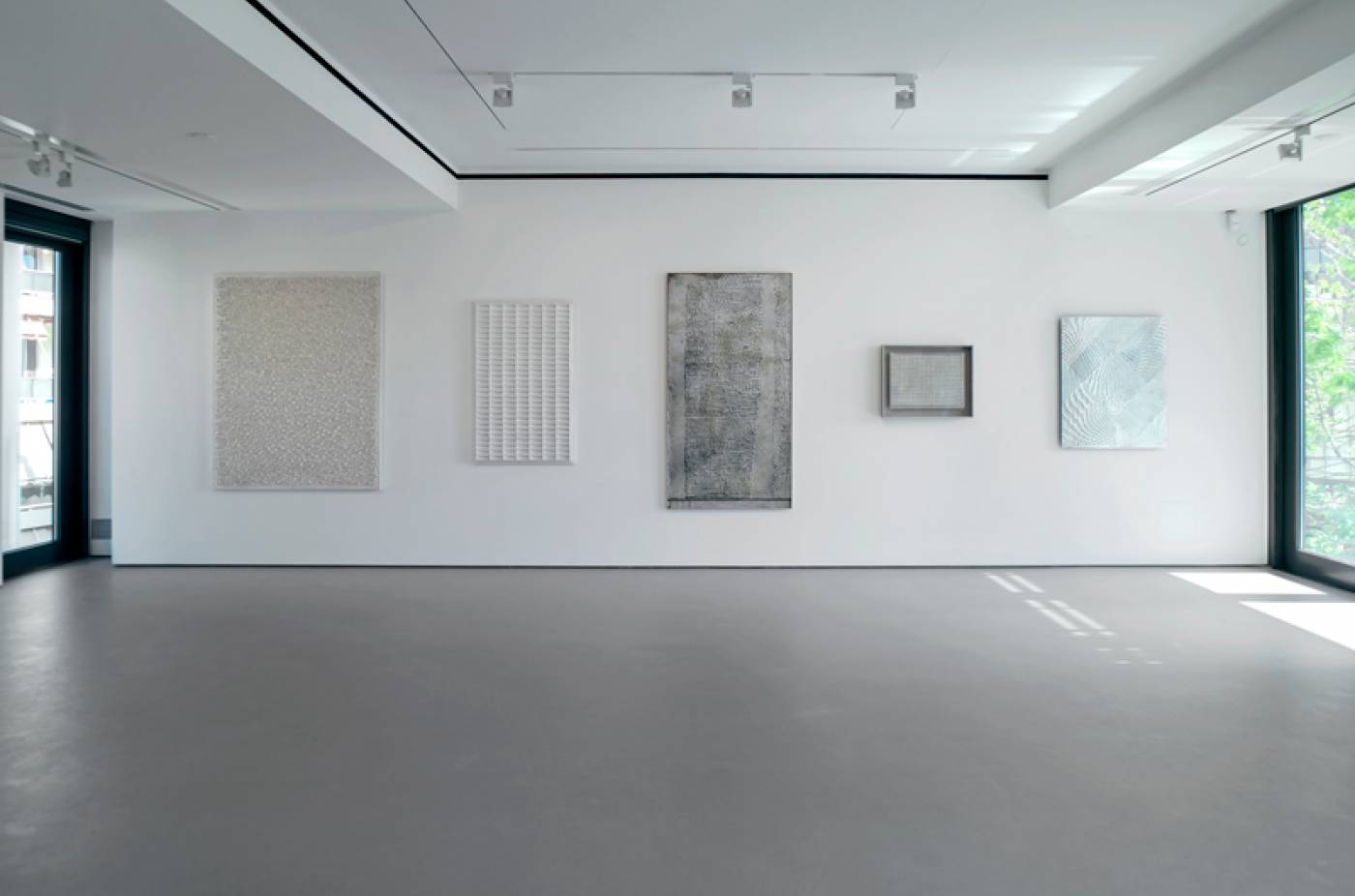
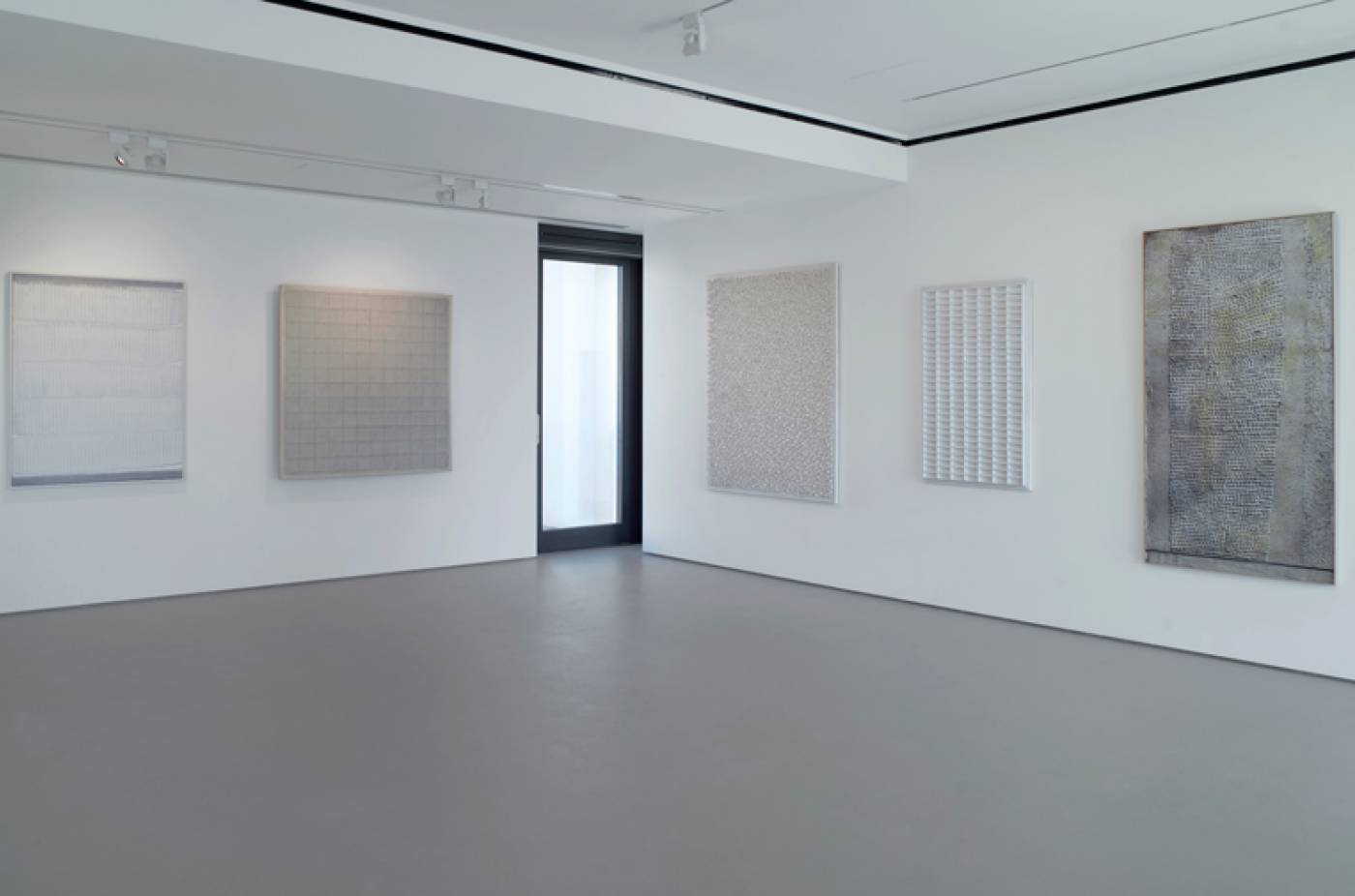
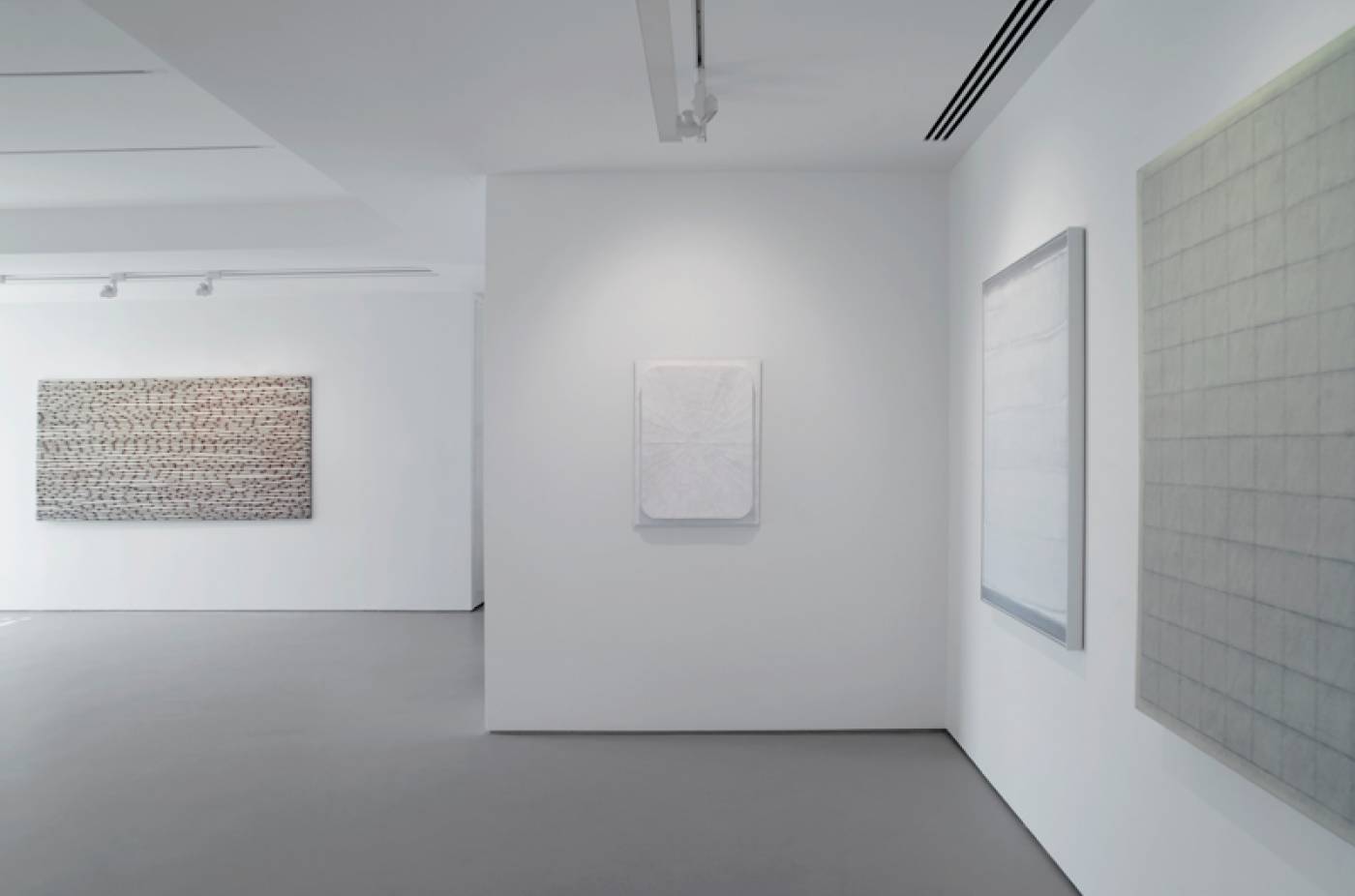
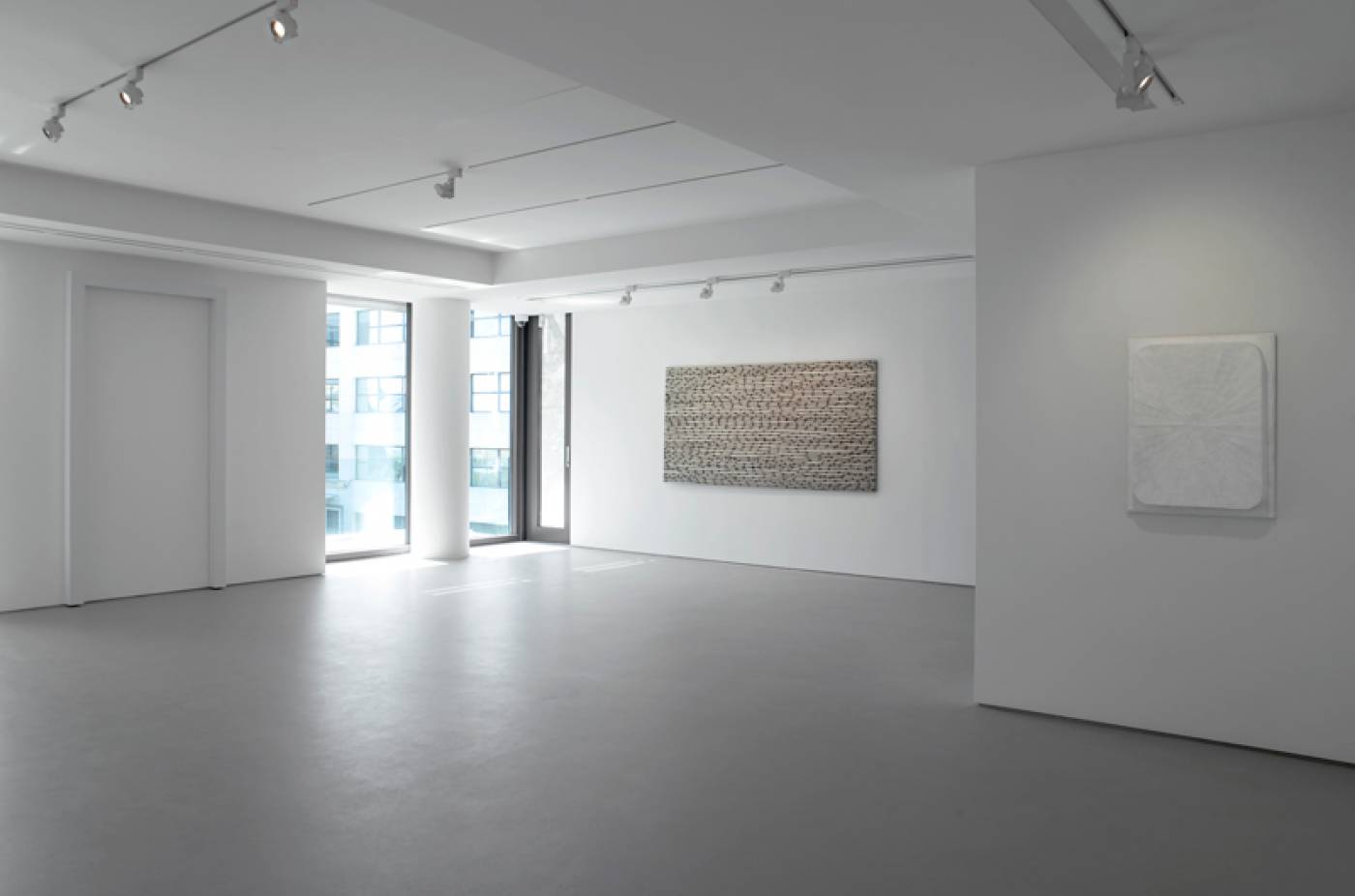
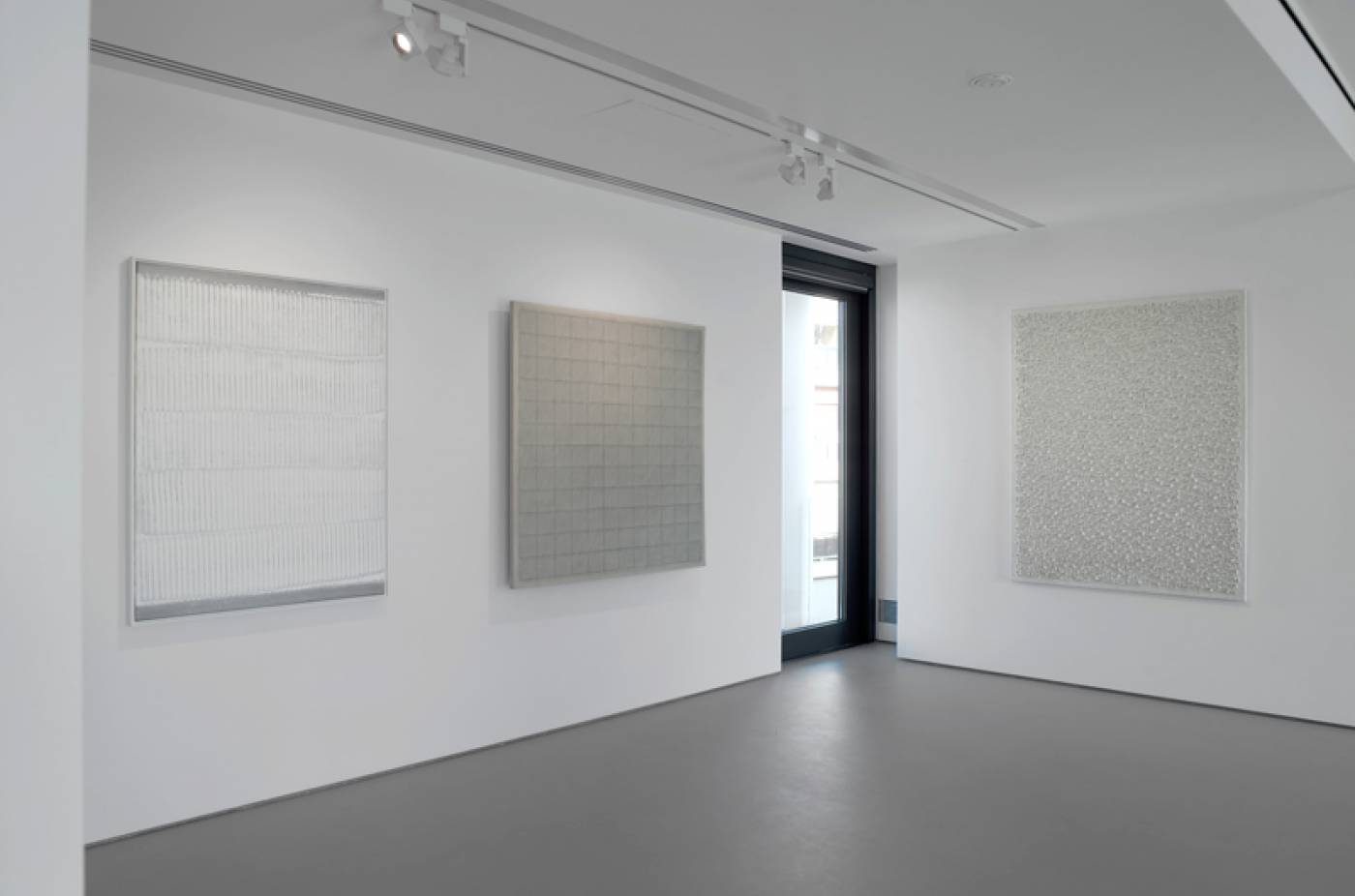
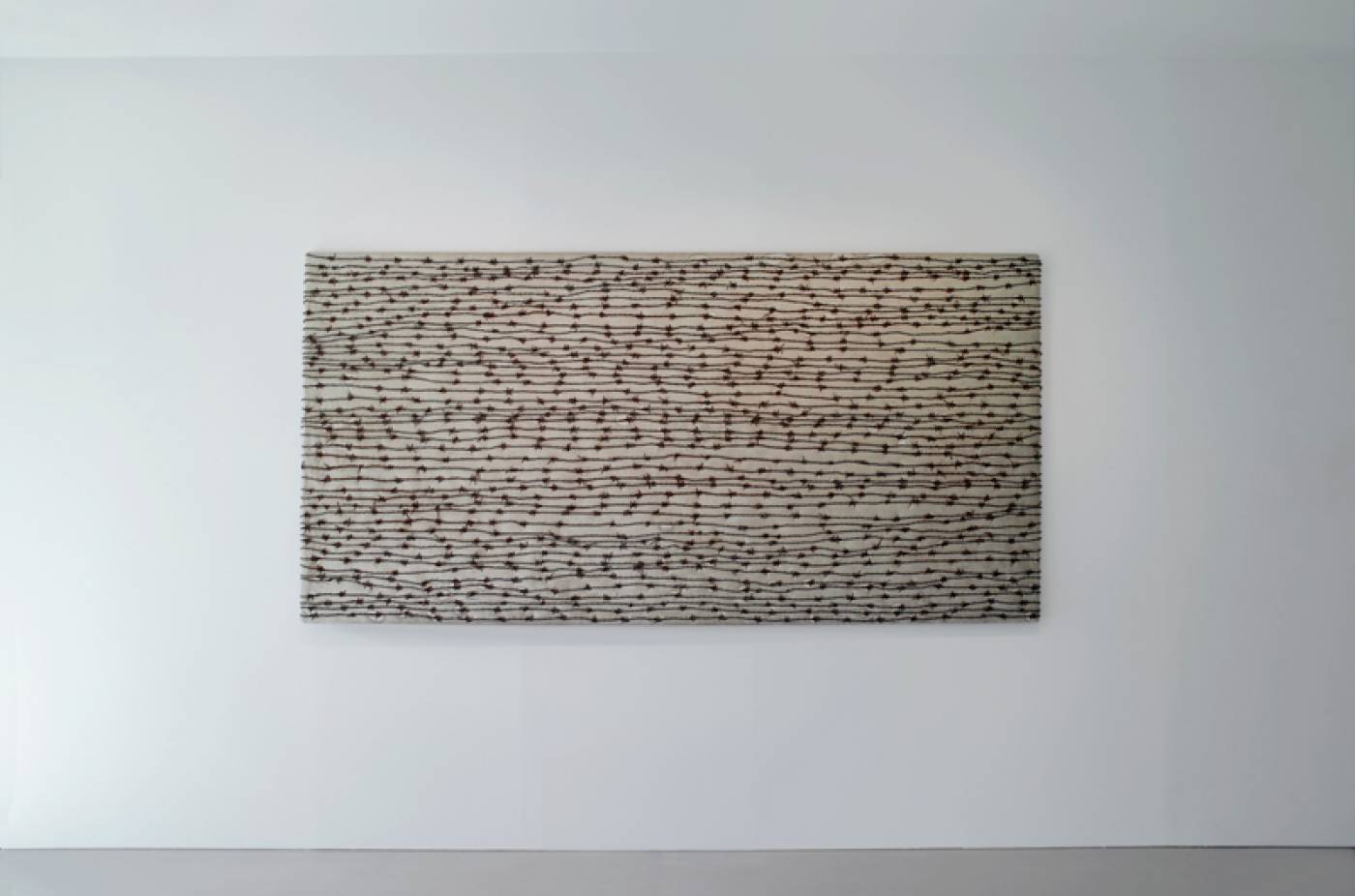
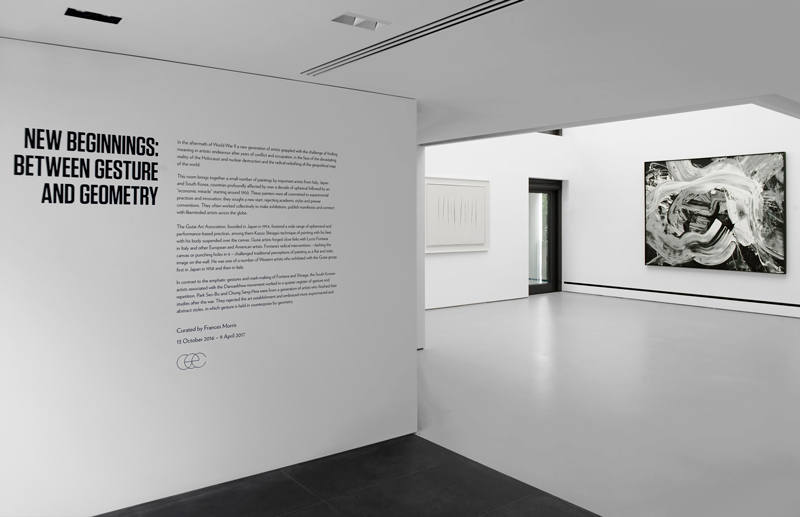
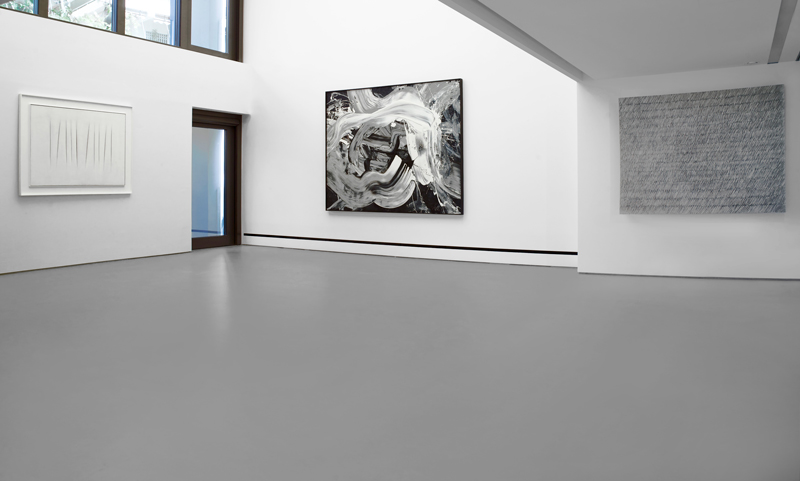
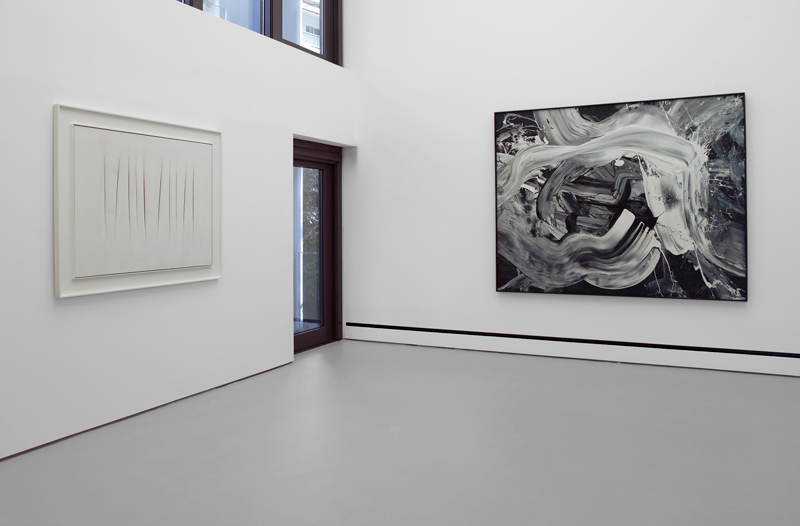
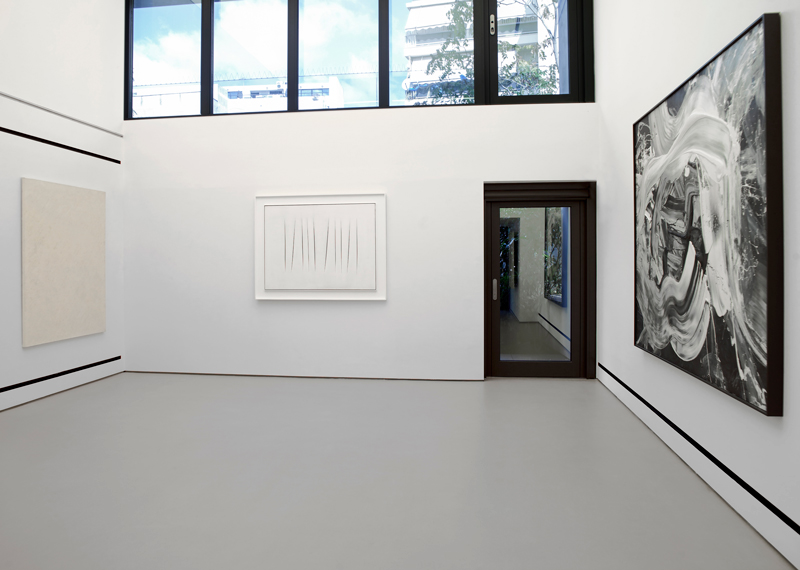
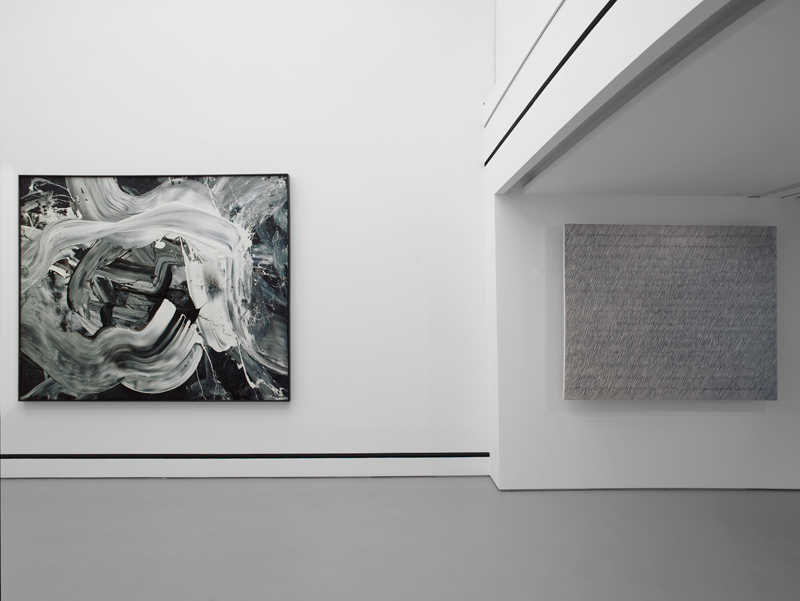
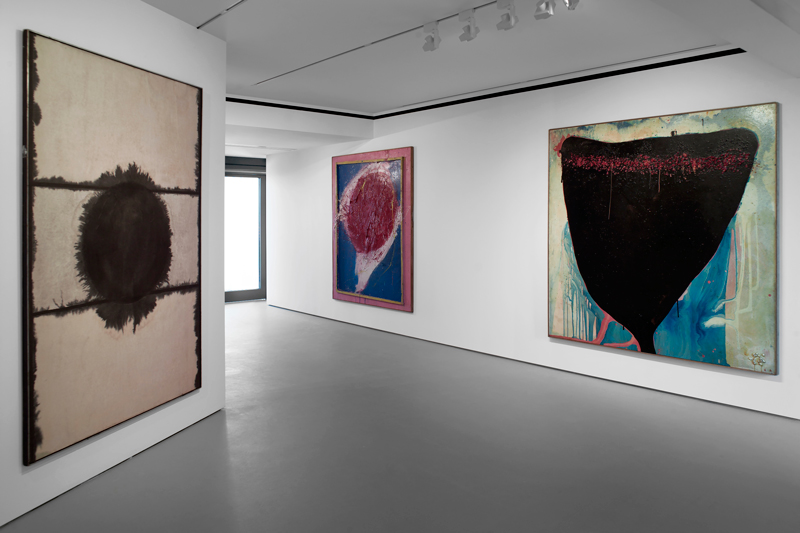
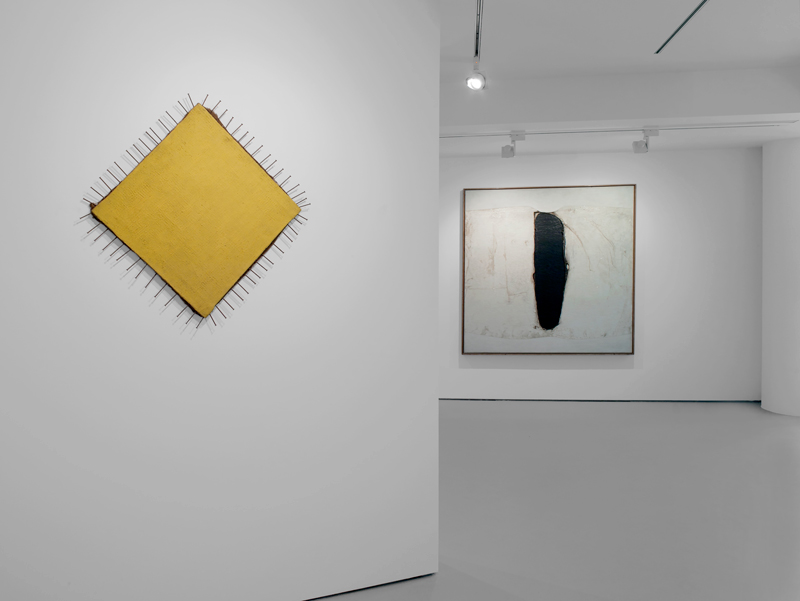
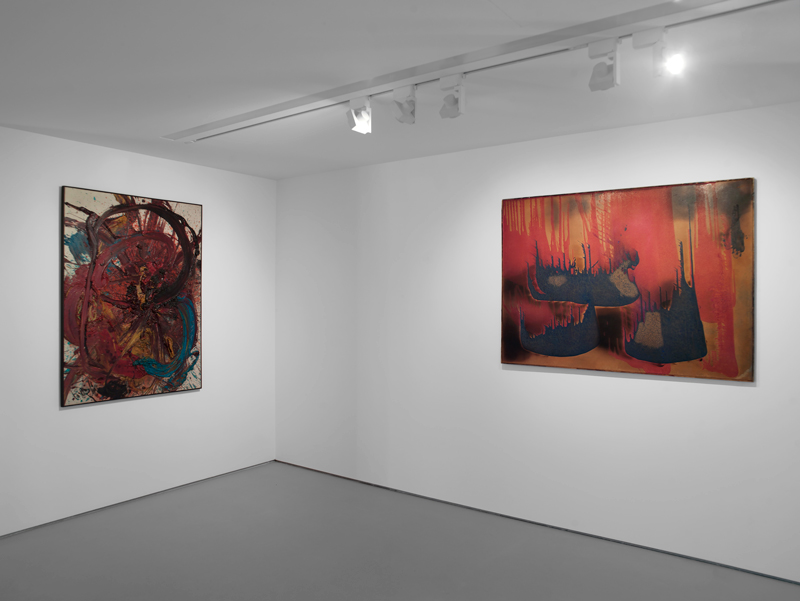
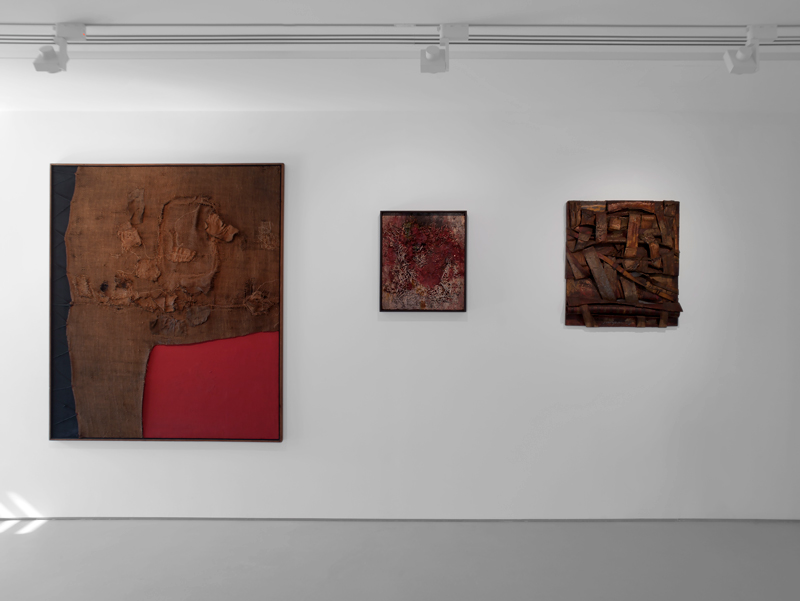
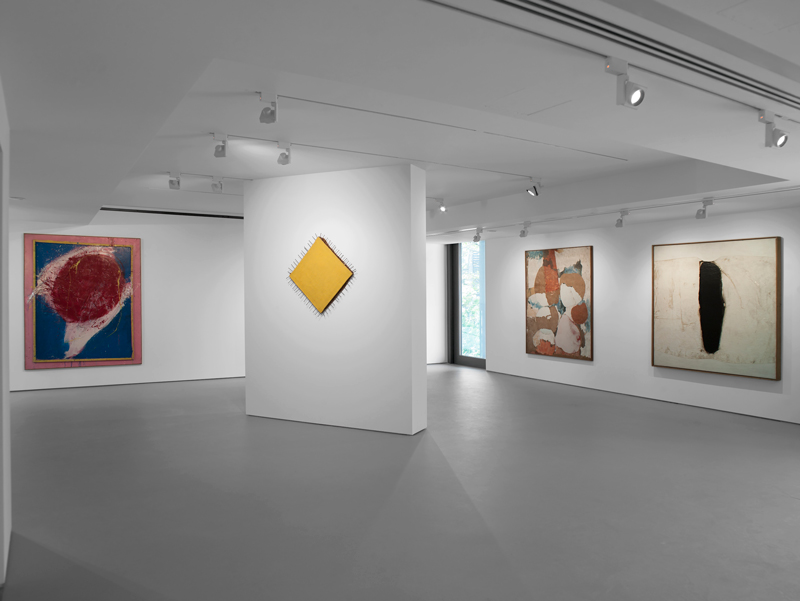
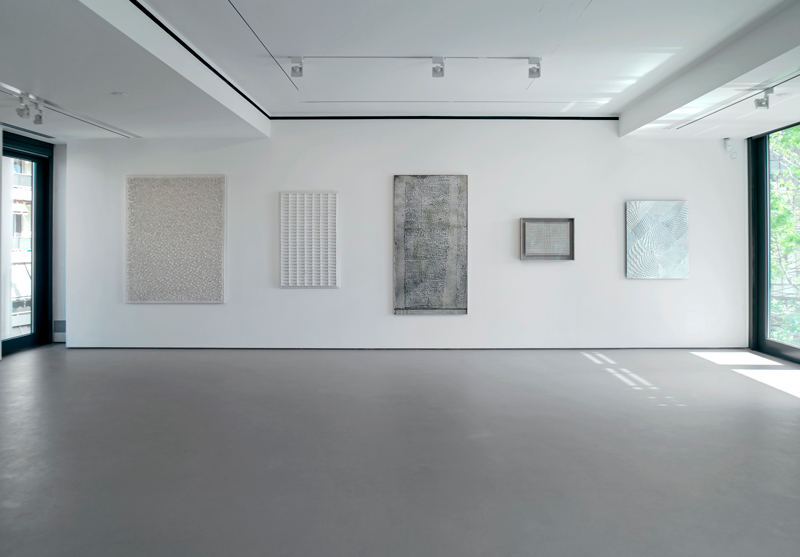
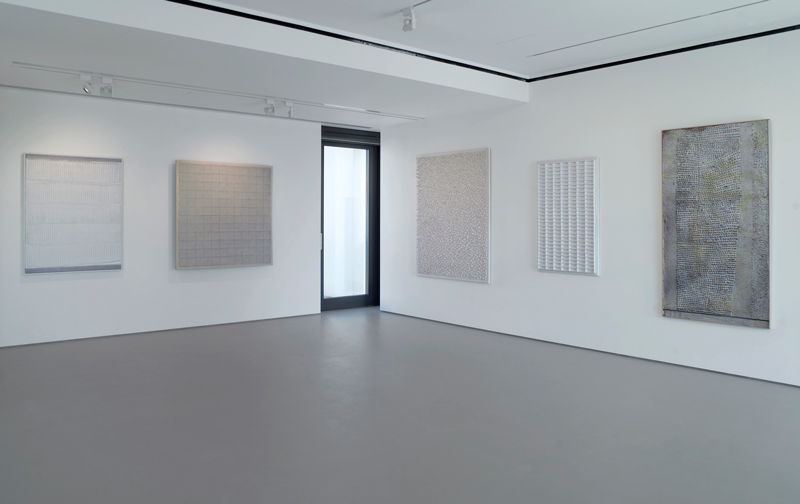
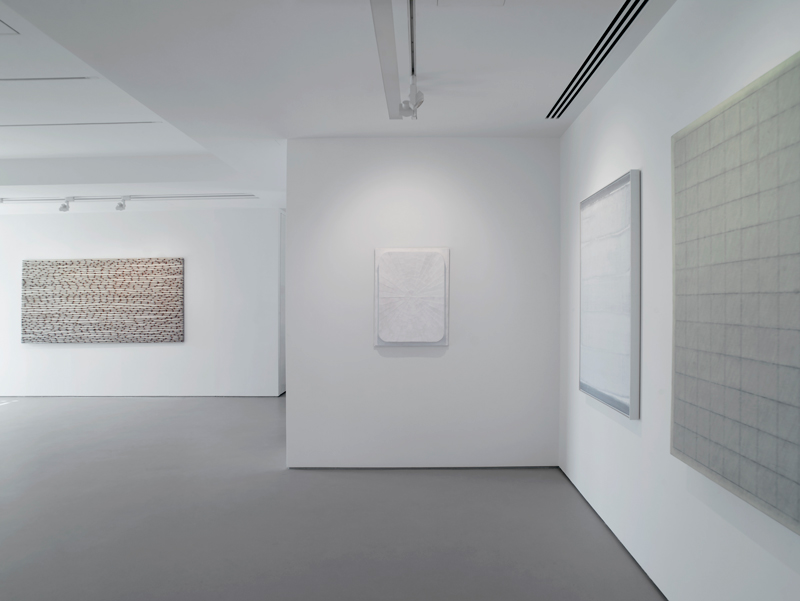
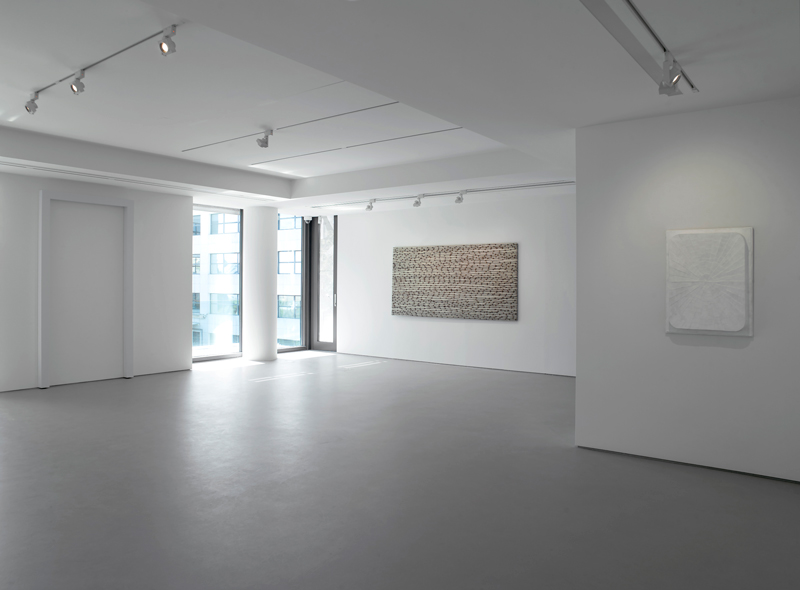
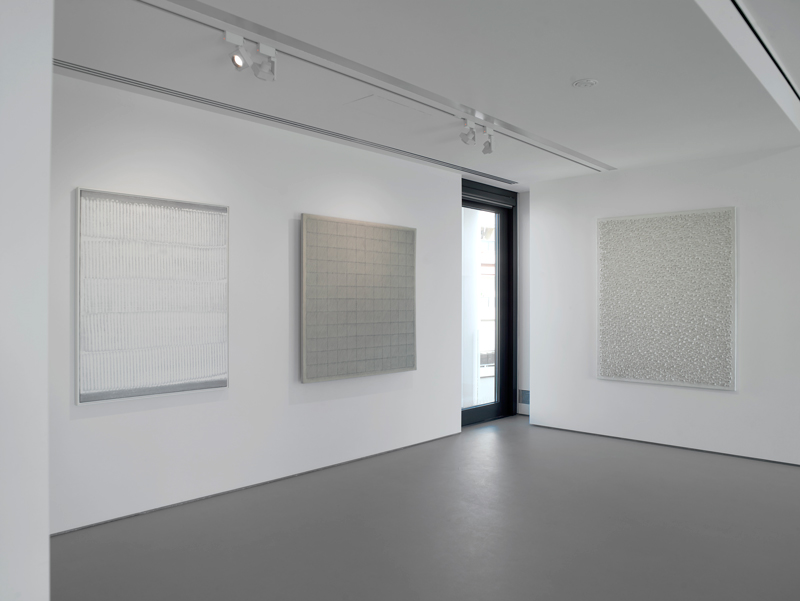
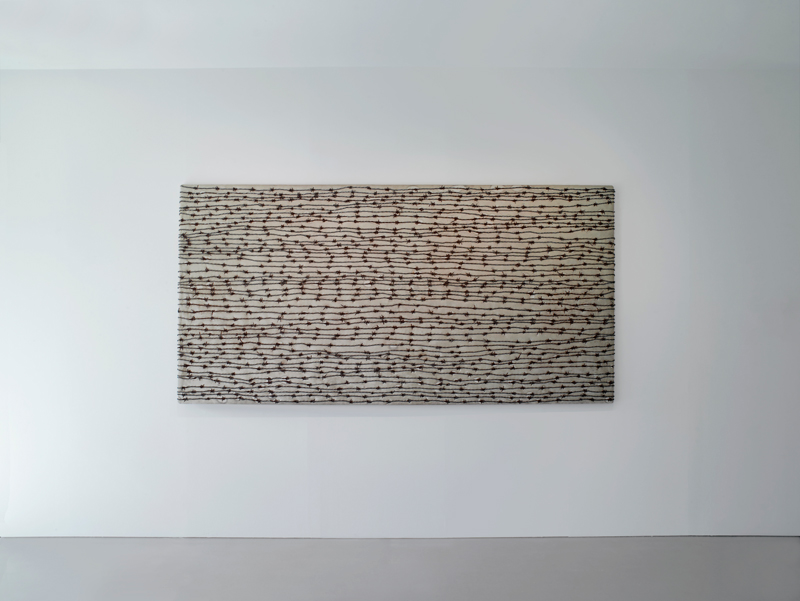
 The George Economou Collection is pleased to announce New Beginnings: Between Gesture and Geometry, an exhibition bringing together work by nineteen artists who emerged in the years following World War II. Looking beyond the canonical Paris–New York axis, the show focuses on the geographically more dispersed but no less groundbreaking practices of artists in Europe and Asia whose radical innovations were the result of dialogue and exchange among a rich network of individuals and groups that transcended national borders.
After World War II, many artists felt that figuration had become impossible and turned to physical gestures and material processes as well as the immaterial qualities of light, space and movement to create a new and dynamic relationship with the viewer. Alberto Burri, Lucio Fontana and Yves Klein were all, in different ways, enormously important in liberating painting from its conventional pictorial role – bringing time, space and matter into the frame and thus into the consciousness of the audience. For many artists their example provided an important catalyst.
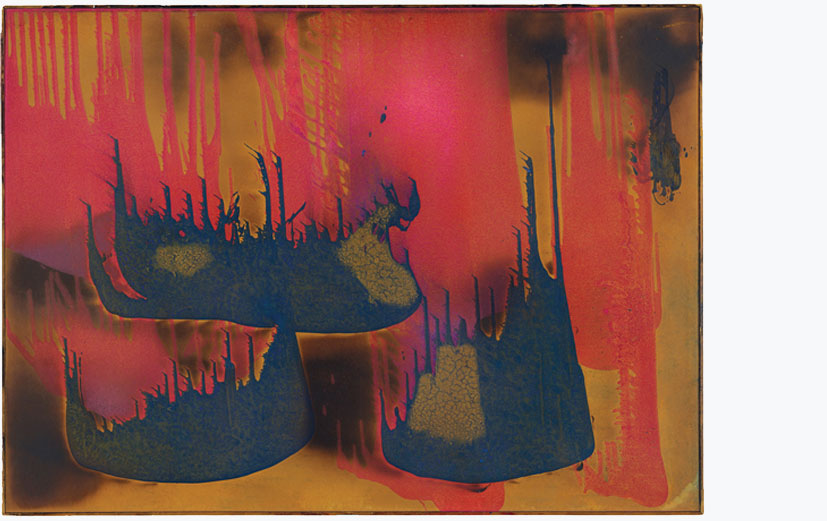
In Japan, a younger generation were exploring similar ideas and founded the Gutai Art Association in Osaka in 1954. Aware of developments in American painting, these artists deliberately sought to extend the potential of the medium through innovative techniques and unconventional materials. Kazuo Shiraga, for example, invented a technique of painting with his feet, while other artists incorporated non-artistic materials such as pebbles, cloth and sawdust into their work. Gutai was introduced to Western artists and audiences via their internationally distributed journal and through the intervention of the French critic and gallerist Michel Tapié, who began showing their work in Turin in the late 1950s.

Another related and almost simultaneous break with the past was initiated by the group Zero, founded in Düsseldorf three years after Gutai. Zero was a network of artists from across Western Europe with connections to Latin America and Japan as well as informal links to other groups in Europe such as the Dutch Nul group. Artists including Jan Schoonhoven and Heinz Mack rejected the language of gestural painting, proposing in its place a refined vocabulary of geometrically organised forms and a preference for the monochrome. This is echoed in the work of Korean artists associated with the Dansaekhwa movement and their own explorations, starting in the 1970s, of the materiality of non-figurative abstraction.
The works in New Beginnings are remarkable not only for their formal and conceptual innovations, but in how they trace the outlines of a global art world that has been too often overlooked in favour of a New York–centric art history. The belief shared by many of the artists that international exchange could be a vehicle of progressive innovation offers a new perspective on the history of postwar art and offers a fascinating model for intercultural collaboration and dialogue today.
-Frances Morris, 2016